
Delay and disruption?
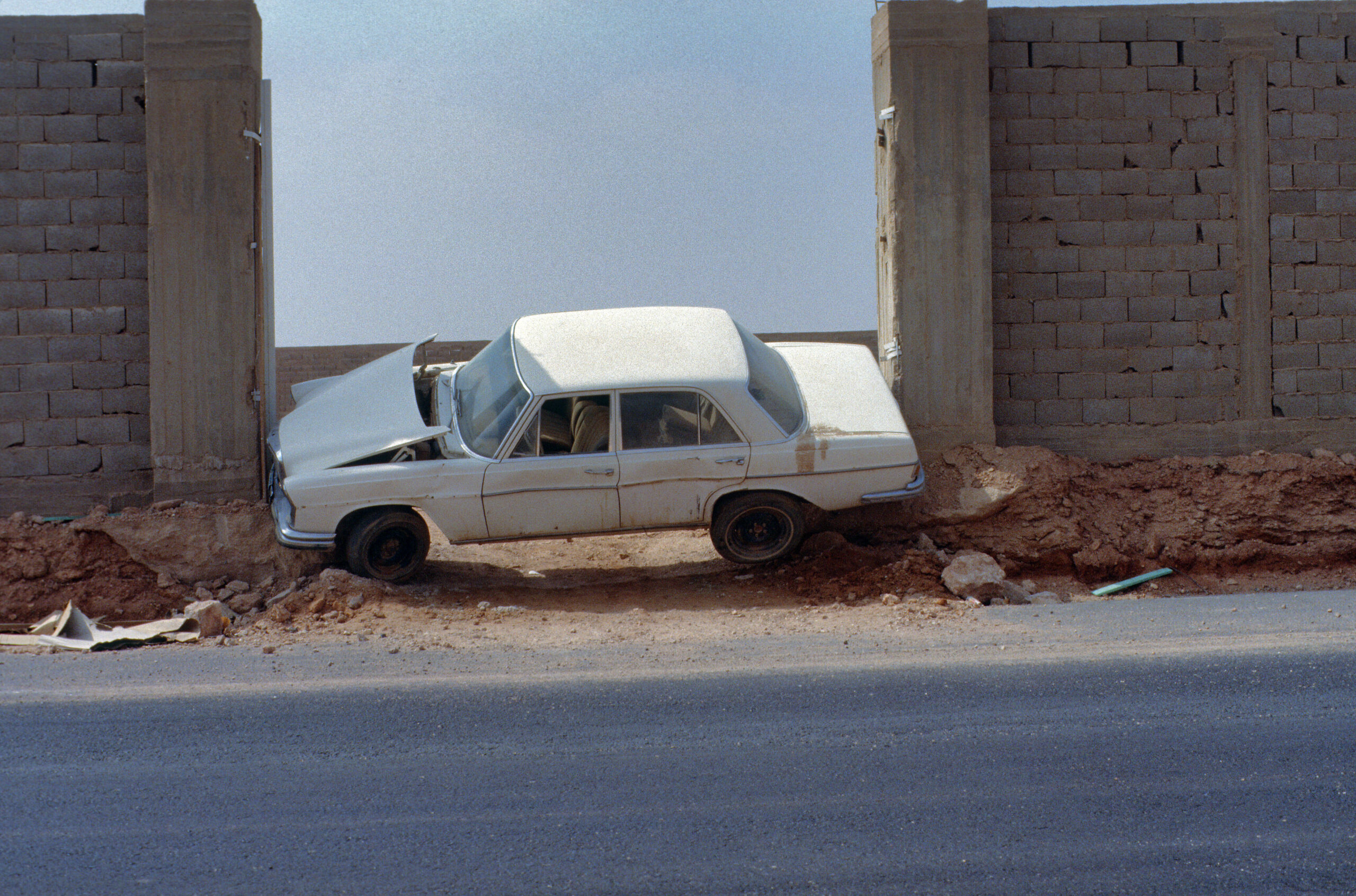
I took this photo a number of years ago on the outskirts of Riyadh.
I’ve always wondered if the car was parked and a gateway was constructed around it or the car was somehow manoeuvred into the gateway.
I have always assumed the former, however given the length of time I’ve spent within the construction industry and the mistakes I have seen, I wouldn’t have been at all surprised if the gateway was constructed around the car!
The very nature of construction means that mistakes will and do happen.
These mistakes may be as a result of co-ordination issues; miscommunication; incompatible or incorrectly specified materials and / or equipment; even intransigence; the list is almost endless and seemingly ever perpetuating.
Some of these mistakes result in claims.
In this age of easy access to information and learning, I would have hoped that some of these mistakes would have diminished, at the very least that the resultant claims would be presented in a structured and well reasoned way.
Recently I was reviewing a contractor’s claim.
I was disheartened to see that the long standing issue of combining delay and disruption claims was very much still evident.
Delay and disruption are two very different concepts.
Putting it simply, I define delay as an interruption to progress resulting in a contract deadline being missed.
Disruption is better defined as loss of productivity of men and / or machines. Loss of productivity means that contractors pay more to achieve the same work product, or output and thereby incur a financial loss.
Delay and disruption are completely different in terms of their separate effects on a contractor’s performance and cost, they are analysed in a completely different ways and rely upon completely different records.
A number of years ago I had an article titled Delay and Disruption—a Separable Duo published by the Construction Law Journal.
The article set out in detail, how in my mind, delay and disruption claims should be analysed separately and the types of records required to support those analyses.
Share this article